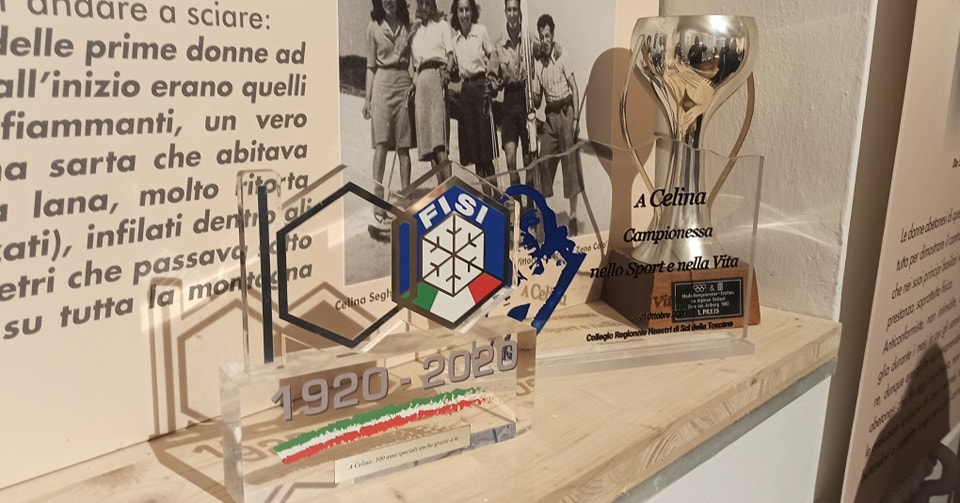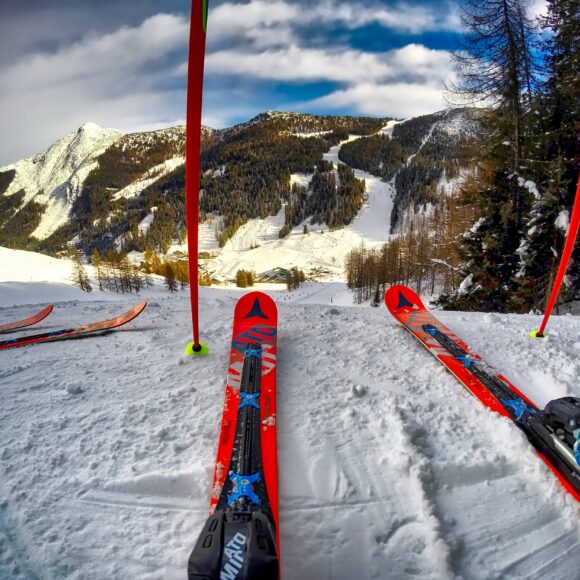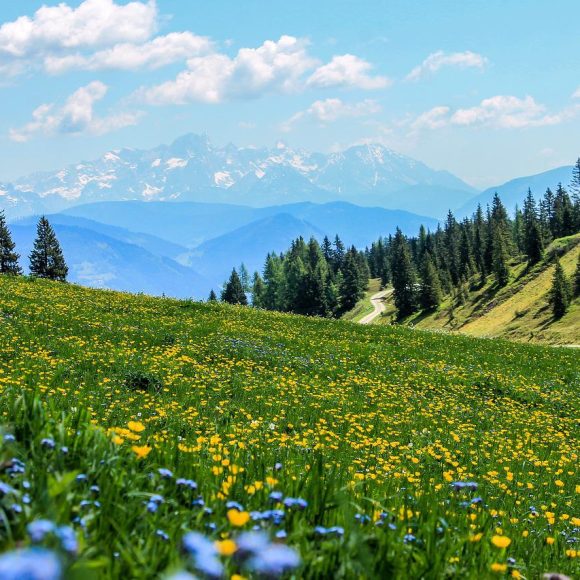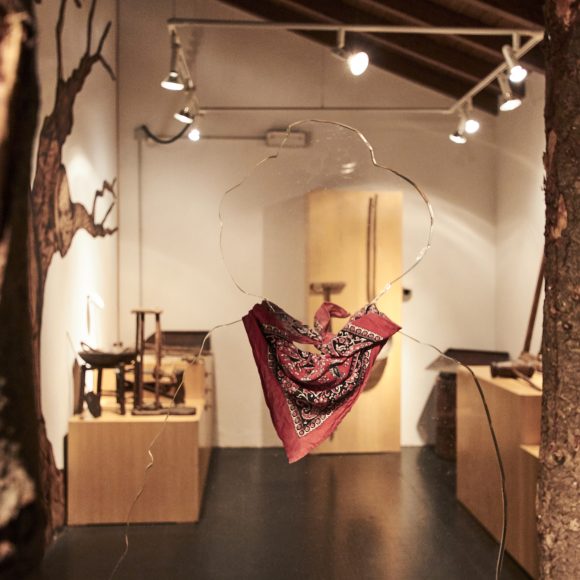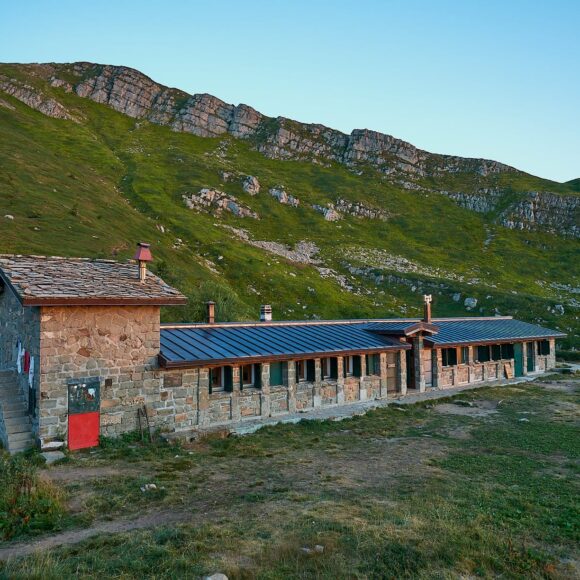

Located in the heart of the Tuscan-Emilian Apennines, the Municipality of Abetone Cutigliano is an ideal destination in every season. From the ski slopes of Abetone and Doganaccia to the trails winding through forests and protected nature reserves, the area offers countless opportunities for outdoor activities, hiking and nature lovers. The villages of Abetone and Cutigliano are also home to a rich historical and cultural heritage, featuring churches, historic buildings, museums and sites belonging to the Pistoia Mountain Ecomuseum, which preserve the history and traditions of the Pistoia Apennines.
Abetone
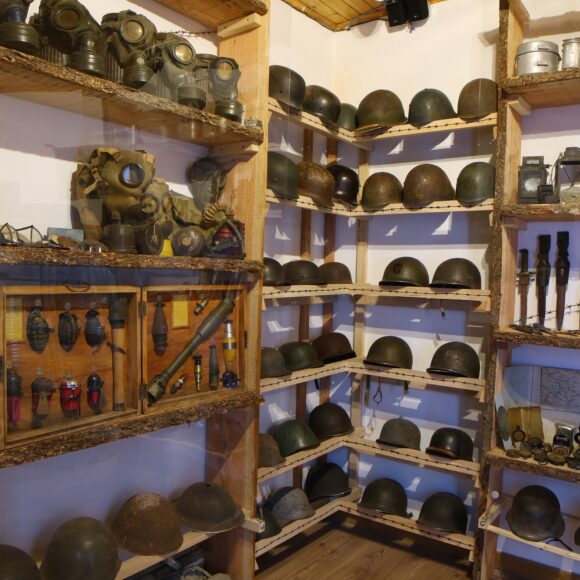
Surrounded by a large fir forest, Abetone is located on the Abetone pass at the border between Tuscany and Emilia. It is the most important winter-sports resort in central Italy and recognized worldwide for its beauty and variety of its slopes. The area is divided into four valleys: the Scoltenna, Sestaione, and the Lima Valleys plus the Val di Luce. The summer offers the opportunity to hike on the Tuscan-Emilian summits of Monte Gomito, Rondinaio, Cimone, and Libro Aperto in addition to the Campolino Nature Reserve or the Abetone Reserve, which houses the Botanical Garden, an Ecomuseum stop. Not to be missed The Church of San Leopoldo in Boscolungo, opened for worship in 1784, and the Museum of the Gothic Line, in Pianosinatico.
Cutigliano
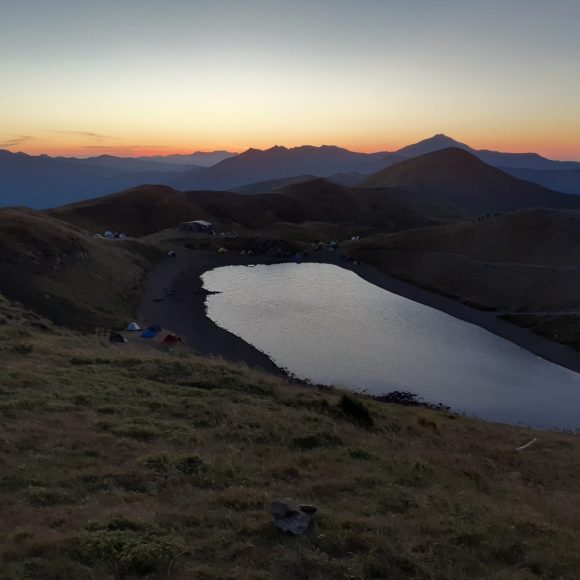
With its narrow streets lined by ancient palaces and monuments, Cutigliano still retains ample traces of its medieval past. A popular as winter holiday resort with the Doganaccia ski resort, while, in, Cutigliano offers summertime choices of nearby walks and excursions to Lake Scaffaiolo, Melo, Pianosinatico, Pian di Novello, and Val del Sestaione. Also of particular interest are the Pian degli Ontani Nature Reserve and an Ecomuseum stop in the village of Rivoreta, with the
Museum of the People of the Pistoiese Apennines. Not to be missed The Piazza del Municipio with Palazzo Pretorio, built in 1377 to house the Captains of the Mountain, and the 15 th-century Church of the Madonna di Piazza, with an important, glazed-terracotta work attributed to Benedetto Buglioni (around 1510).
For all tourist information, visit the official website of the Municipality of Abetone Cutigliano: click here