

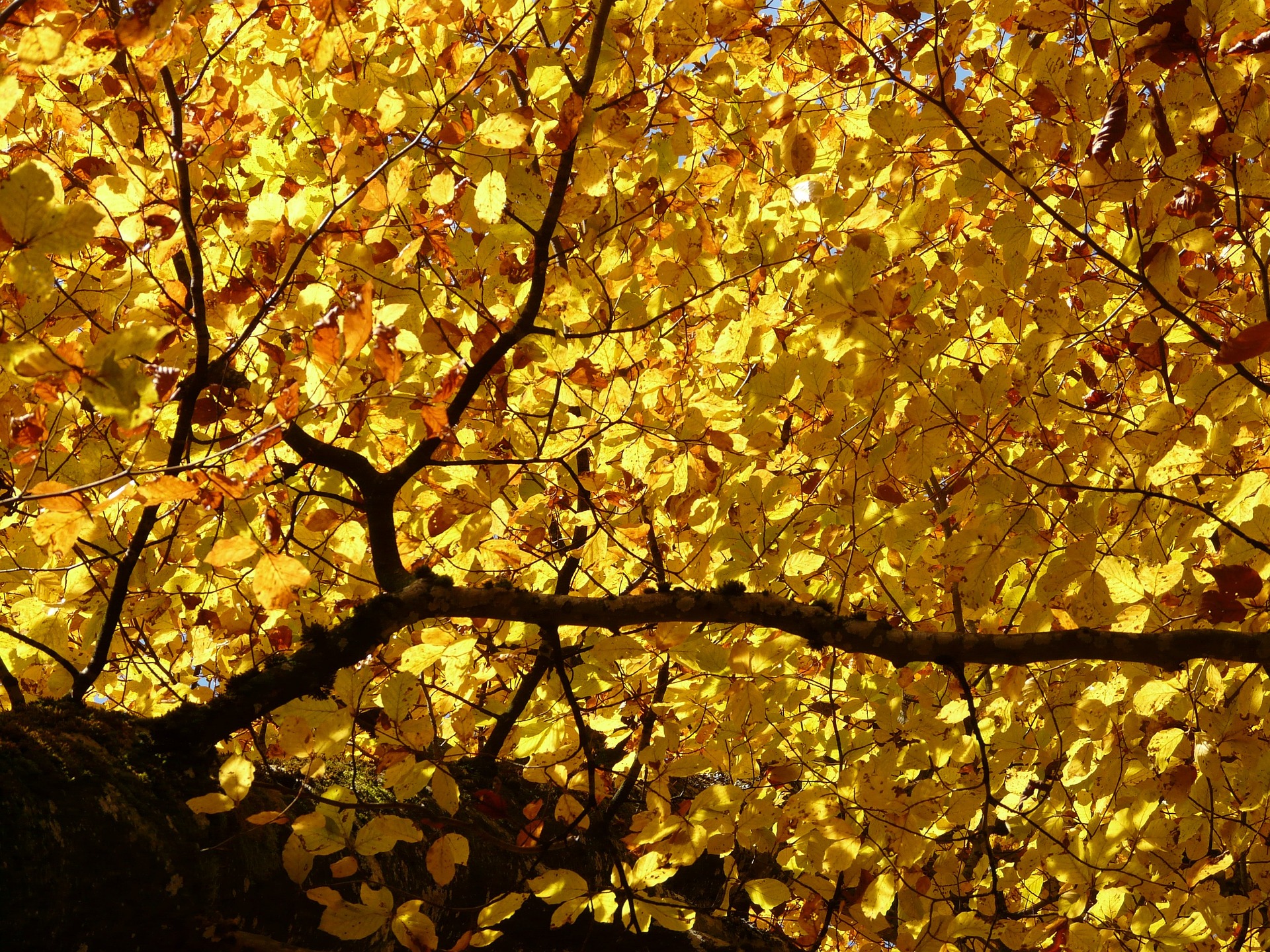
Everybody going crazy for the foliage
Abetone Cutigliano, Sambuca Pistoiese, San Marcello Piteglio

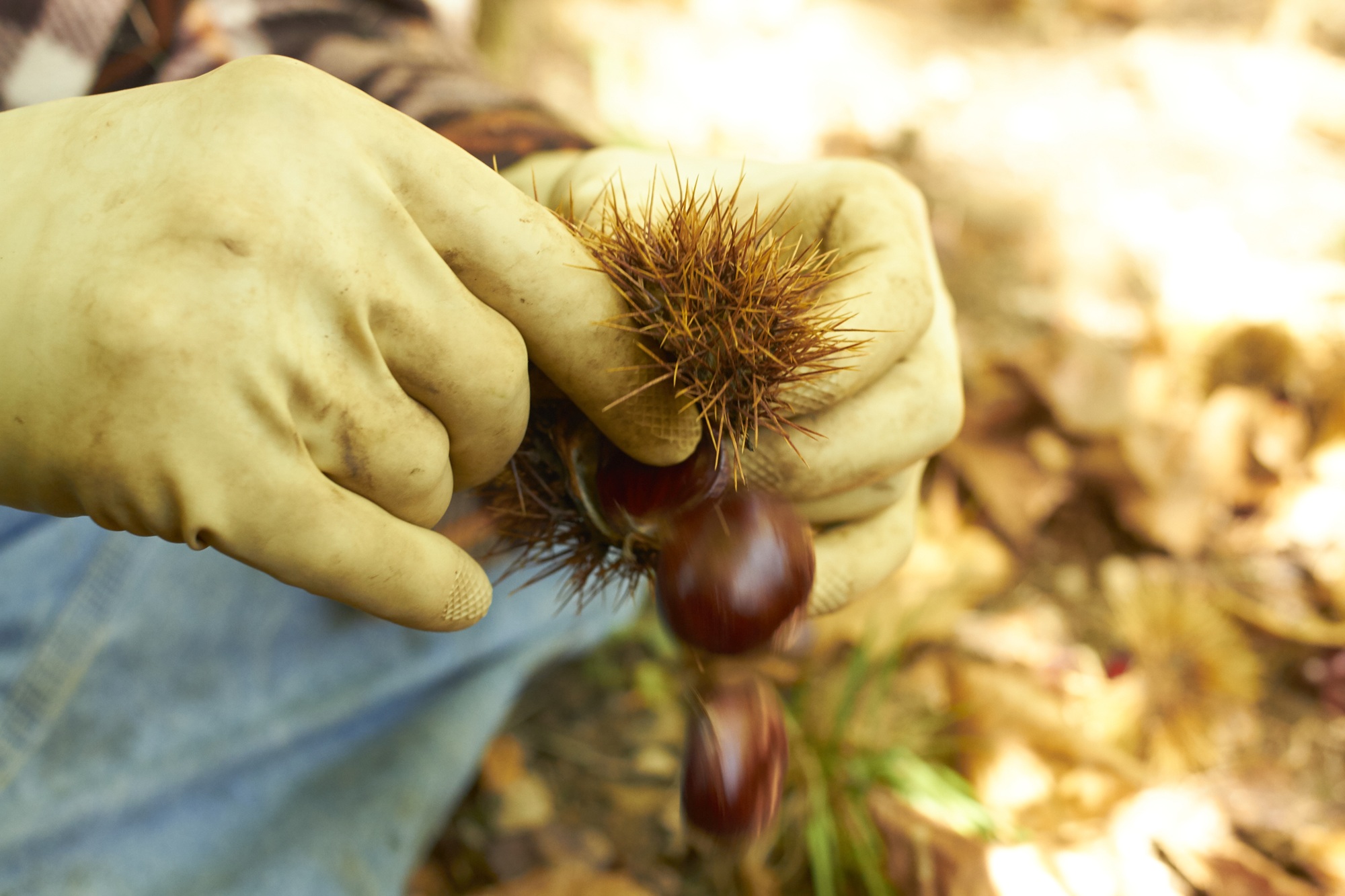
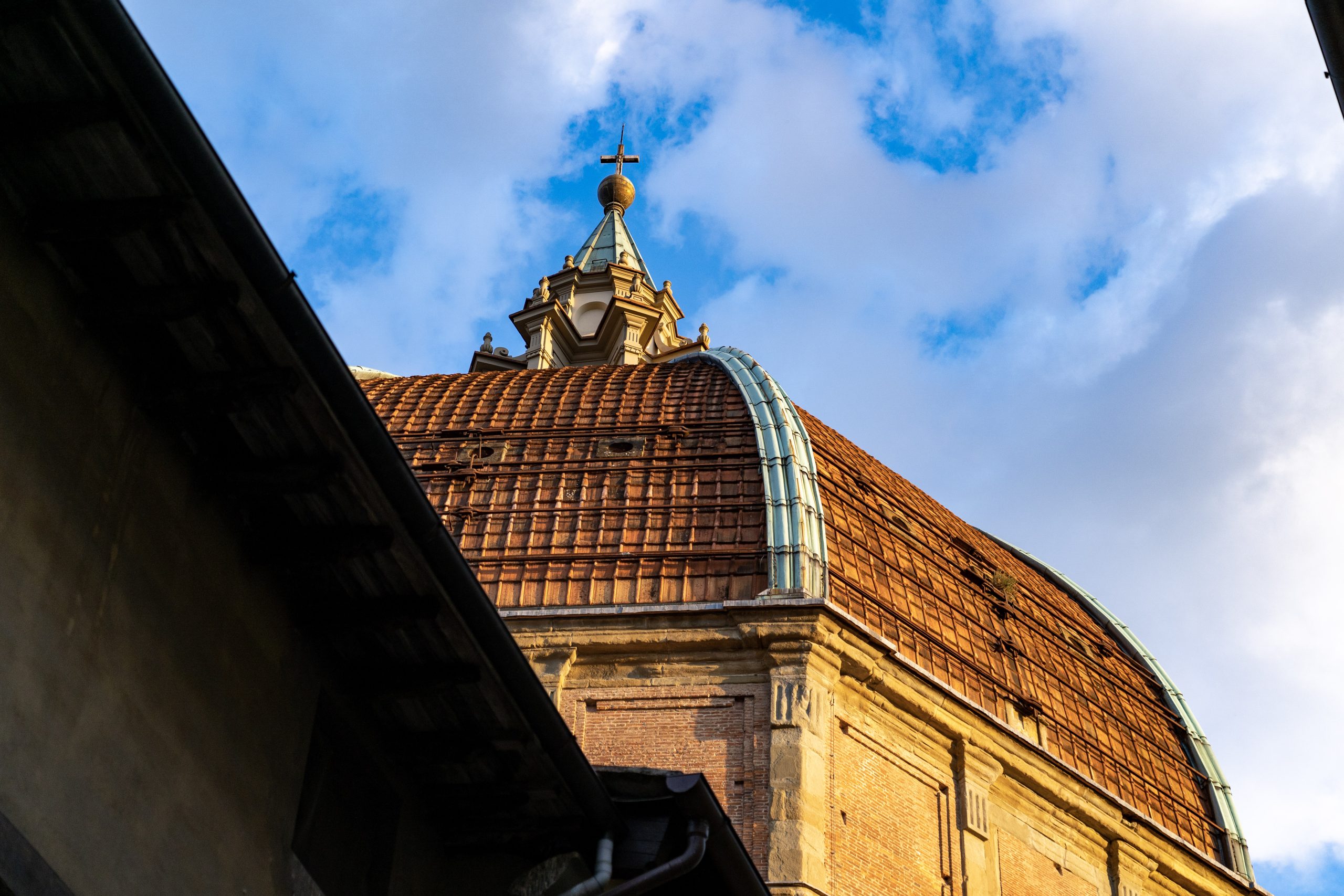
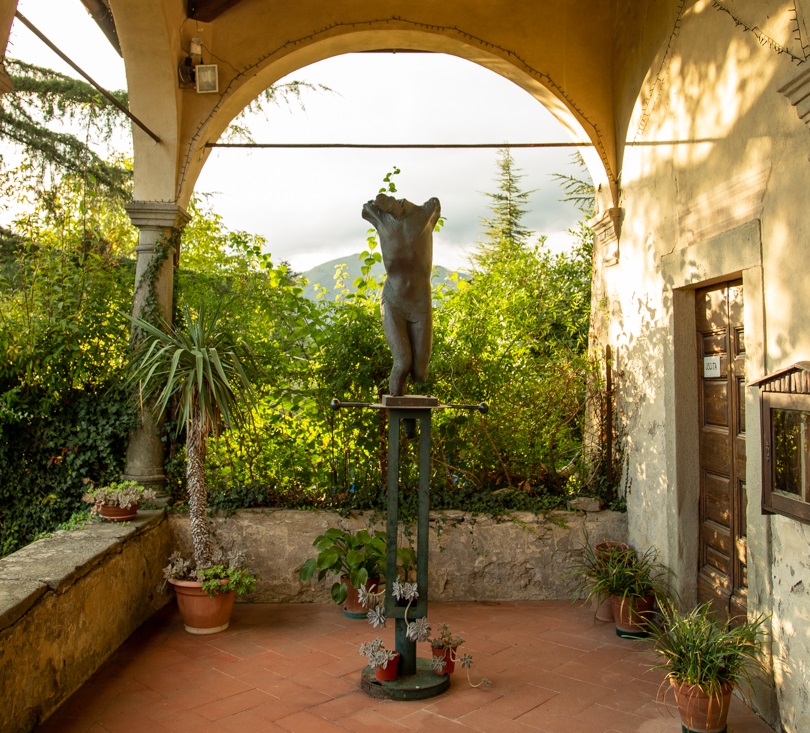

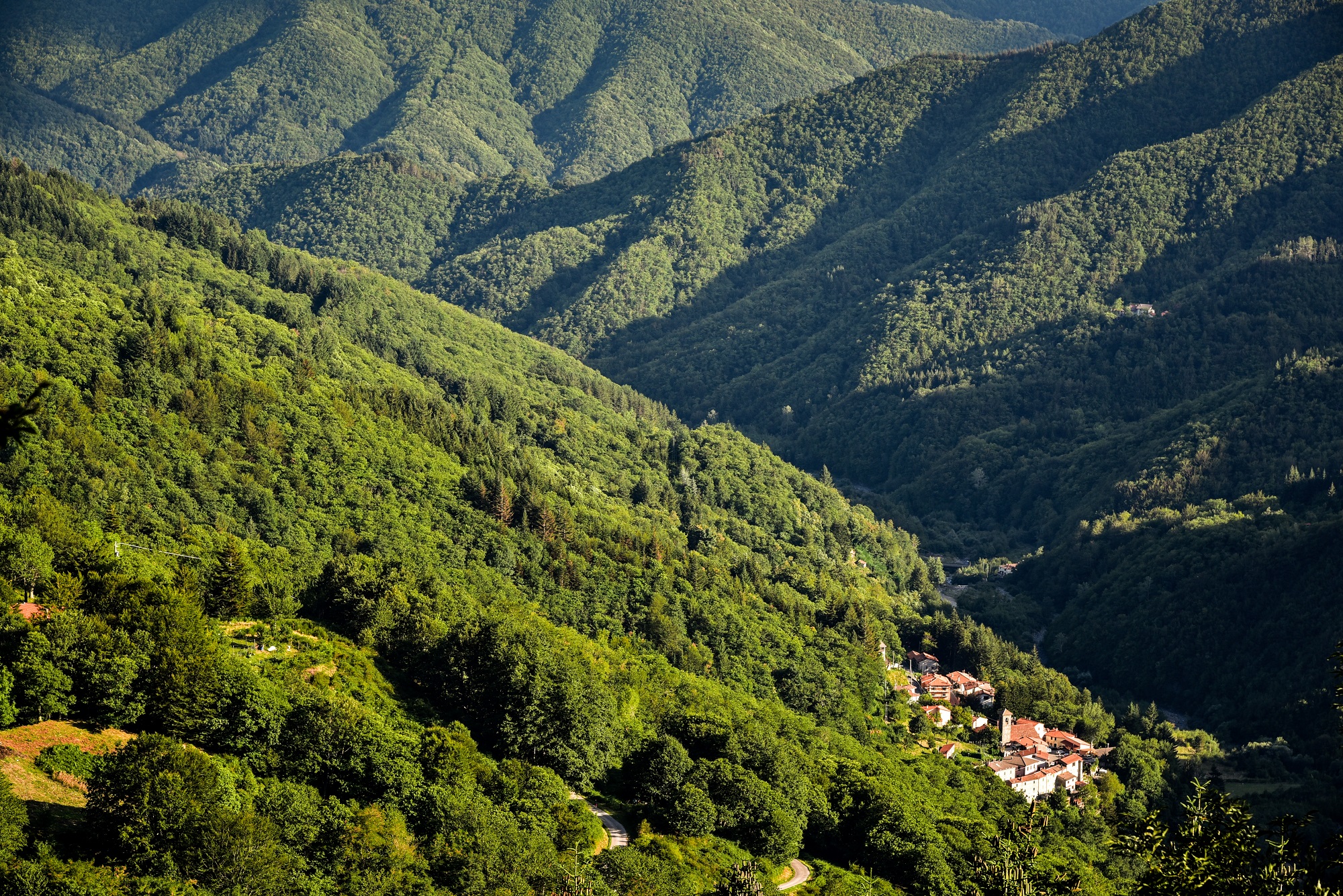
Three ideas to enjoy and admire the wonderful sight of the autumn foliage and to appreciate all the beneficial aspects of coming into close contact with the natural world.
The Pistoia Mountains natural world is truly amazing all year round, but in autumn, its beauty is enhanced by breathtaking panoramic views and the warm and intense colours of the leaves, which gently fall from their branches and cover the ground with their soft cloak. In this season - suspended in time, waiting for the snow to embrace the forests once again - to go for a walk surrounded only…
Abetone Cutigliano, Sambuca Pistoiese, San Marcello Piteglio
Discover Discover the stag’s call in the forests of the Pistoiese Apennines: a natural ritual that enchants amidst silence, challenges, and autumn mating calls.
When summer gives way to autumn, the forests of the Pistoiese Apennines are filled with the stag’s call, the roar of the male deer that attracts females and challenges rivals. A powerful sound that marks the beginning of the mating season, offering listeners a unique and evocative experience. Especially at dawn and dusk, the silence of the woods is broken by these mighty roars, and those who venture along trails…
Marliana, Sambuca Pistoiese, San Marcello Piteglio
Discover In the Orsigna Valley there are some historical buildings dedicated to the working of chestnuts.
Up till only a few decades ago, the chestnut was truly an essential and indispensable resource for the survival of the people of the Italian highlands and, in fact, for everyone living in the Pistoia mountains. Here, the much-loved chestnuts - a typical symbol of early autumn bonfires - were picked from October to November and then taken to be dried out in special canniccie or seccatoi or metati -…
Pistoia
Discover The most iconic places of the city of Pistoia and the essential tips to find the right angle and bring home the perfect shot.
Sharing the most beautiful shots of a vacation is an almost indispensable gesture for many travelers and for all those who use social networks as boards where they leave a trace of their most special moments. Italian cities have a special charm, that’s why the alleys of a village, the halls of a great museum, crowded or lonely squares become perfect snapshots that contain, without words, only thanks to the…
Pistoia
Discover To wander about Castagno is a continuous surprise each and every time you come here! This little but large place is always a work in progress.
They peep out of windows, they hide in bushes, they linger behind a corner: in the tiny hamlet of Castagno di Piteccio the works of art 'play' with their visitors who, alighting from the train or leaving their car behind, plunge into its alleys where they often come across lazy cats just waiting patiently for them. Founded in and around 1600, this hamlet is surrounded by hills and mountains that…
Pistoia
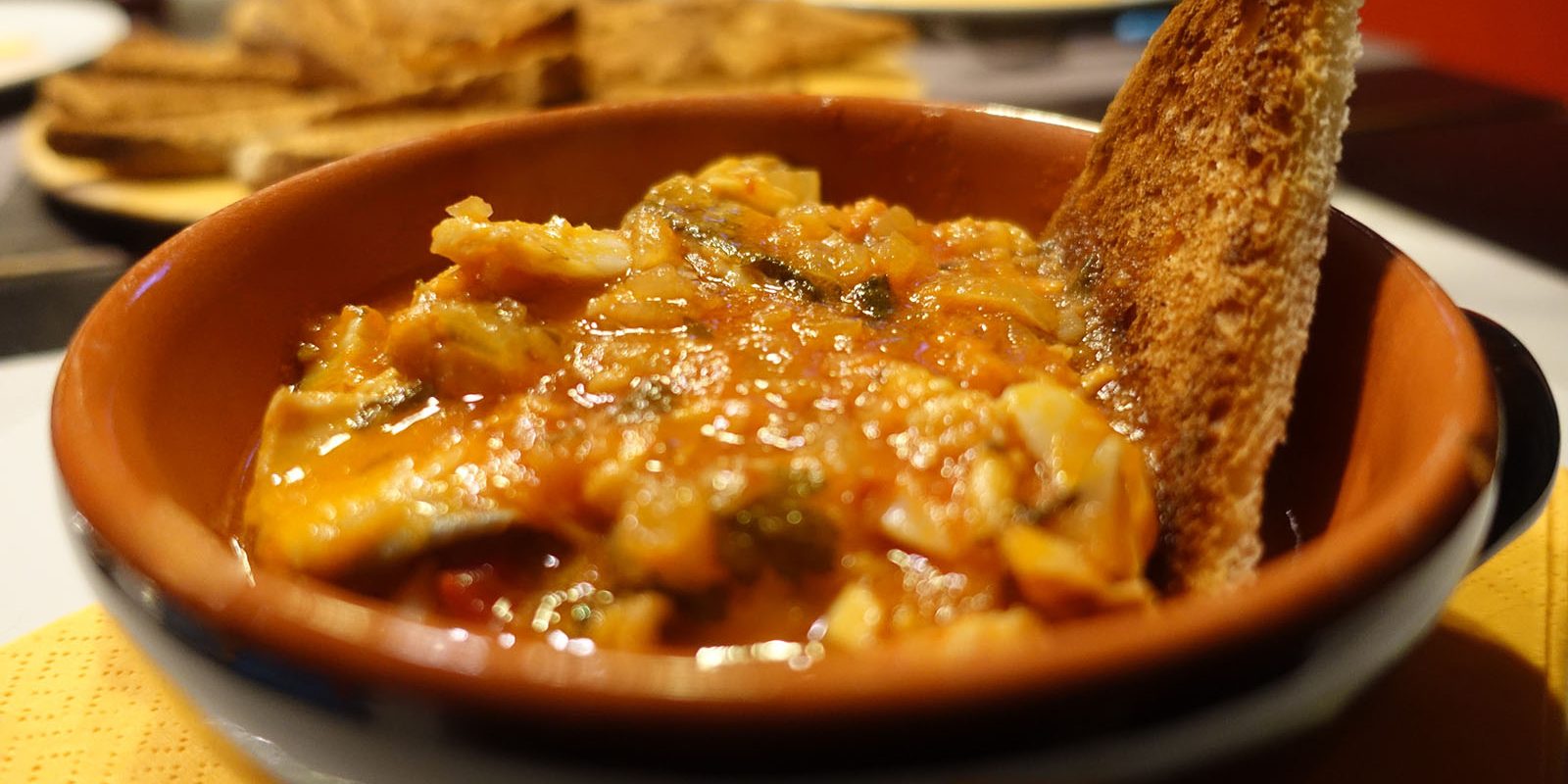
Discover Enjoy the strong and genuine flavours of local cooking: your palate will be thanking you!
This area’s cooking is authentic and genuine, thanks mainly to the use of ‘poor’ ingredients, typical of a basically peasant culture linked is to the mountains, rich in chestnuts, porcini mushrooms, and blueberries, as well as its excellent beef and mutton products and its honey. Which are the dishes which you absolutely must taste when you come here? 1. I maccheroni sull’anatra – Maccheroni with duck sauce A unique dish, typical of…
Pistoia, Quarrata, San Marcello Piteglio
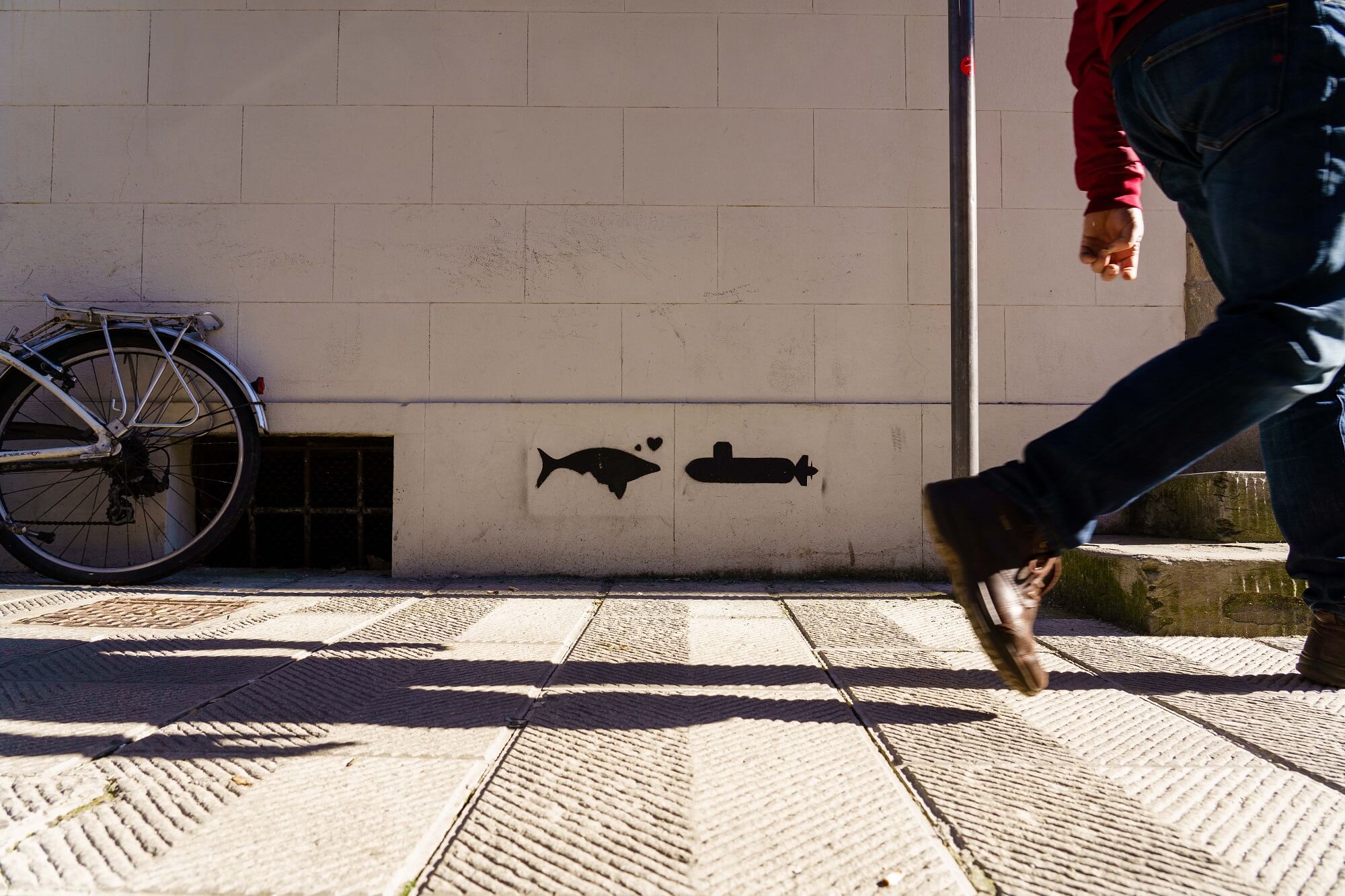
Discover Street art in Pistoia and the Montagna Pistoiese has been reinterpreted with a modern, personal touch. Here’s a guide to the key artists behind these works.
Anyone strolling through the streets of Pistoia can’t help but notice its ancient medieval charm, still alive in every corner of the city. The striped churches in green and white, with their unique architecture and intricate details, tell stories of centuries of history and tradition, while major city landmarks, such as the Palazzo Comunale and the majestic Palazzo dei Vescovi, stand as witnesses to a distant past. However, among the…
Pistoia, San Marcello Piteglio
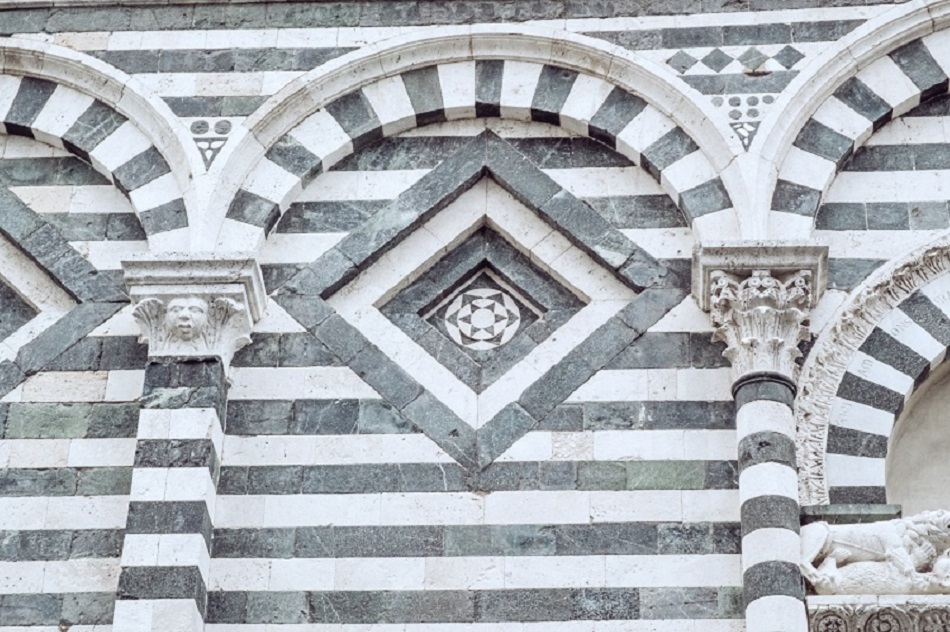
Discover In Pistoia, some churches still stand out today for their green-and-white facades, a distinctive feature that has become emblematic of the city.
Between the 12th and 13th centuries, thanks in part to the arrival of the precious relic of Saint James from Santiago de Compostela, still preserved in the Cathedral of San Zeno, Pistoia experienced a period of flourishing revival. During this time, many medieval churches were expanded and redesigned according to Romanesque style principles, distinguished in this area by a striking use of two-tone color achieved with white Carrara marble and…
Pistoia
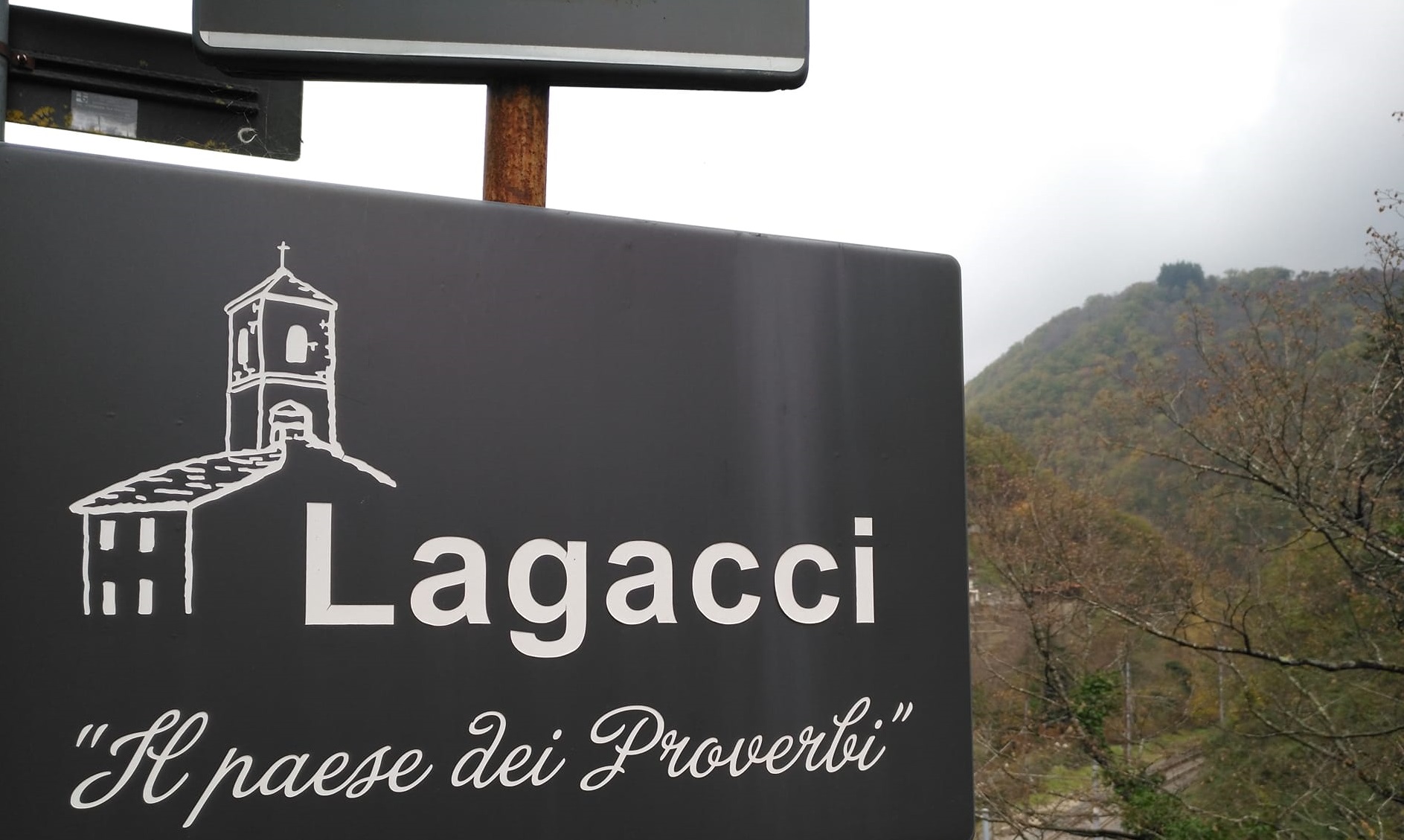
Discover A tiny village, lying on the border between Tuscany and Emilia Romagna, is sprinkled and scattered with proverbs, a depositary of ancient wisdom yet which is still relevant today.
On the right side of the Reno Valley in the Sambuca Pistoiese district - a border area between Tuscany and Emilia Romagna - lies Lagacci, a hamlet 710 metres above sea level, surrounded by thick woods. Lagacci was first mentioned in the 1587 Grand Duchy's Real Estate Registry, but it undoubtedly dates back much further. In summer and on lovely autumnal days, the narrow alleys winding around old stone houses…
Sambuca Pistoiese
Discover In the City Museum of antique art's exhibition rooms: a way to discover the works of art that depict St. James himself, or that are linked to his cult.
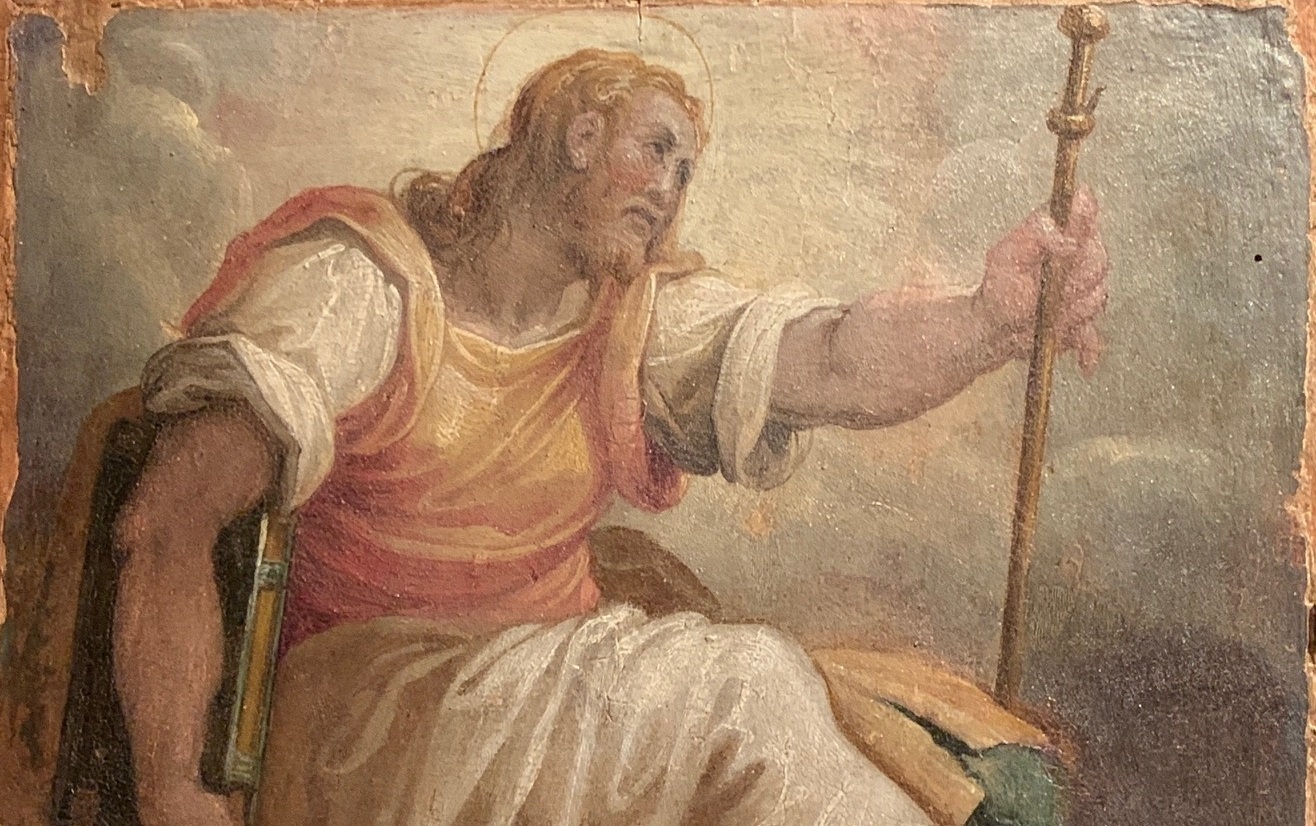
There are 16 of them - paintings on various mountings, sculptures and jewellery as well as items of minor arts, of different dates and of difference provenance; the works of art of the City Museum of Antique Art offer an all-embracing view of St. James' iconography over the centuries. Thanks to these works, you can get to know images and their history, to understand how, over the years, Pistoia art…
Pistoia
Discover Pistoia's culture - the result of a long tradition of it being at the crossroads between Rome and Santiago - has stayed alive and this can be seen by its traditions,
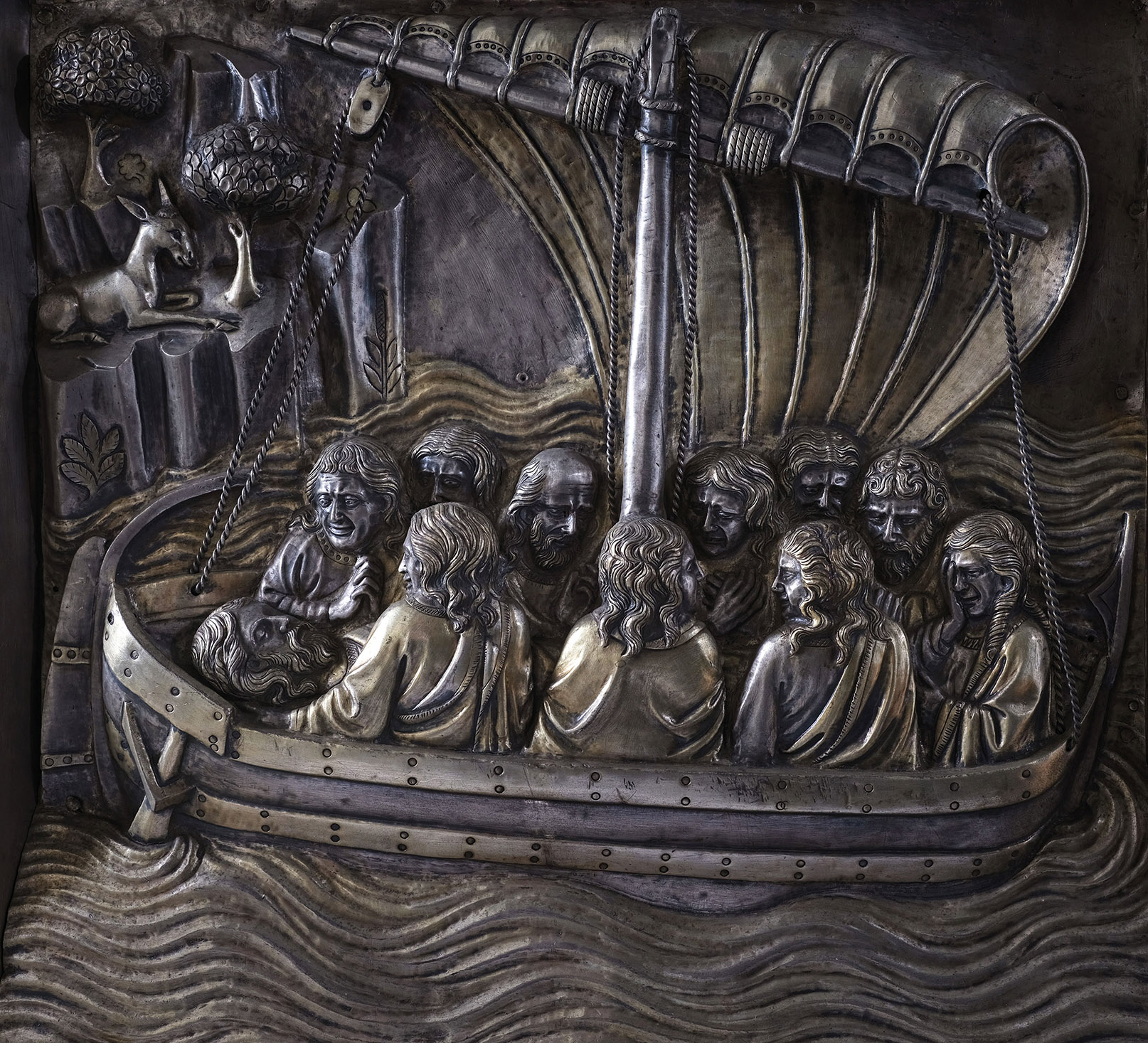
Pistoia has been linked to the cult of the Apostle Saint James the Greater since 1145, the year in which Bishop Atto brought a fragment of the saint's skull from Santiago de Compostela to Pistoia. The relic is now kept in the Cathedral's Cappella del Giudizio in a beautiful reliquary made by Lorenzo Ghiberti in 1407. The Silver Altar - a masterpiece of goldsmith art - is to be found…
Pistoia
Discover Food and wine and unforgettable panoramic views at Quarrata and Serravalle. Exploring Montalbano's gentle hills.
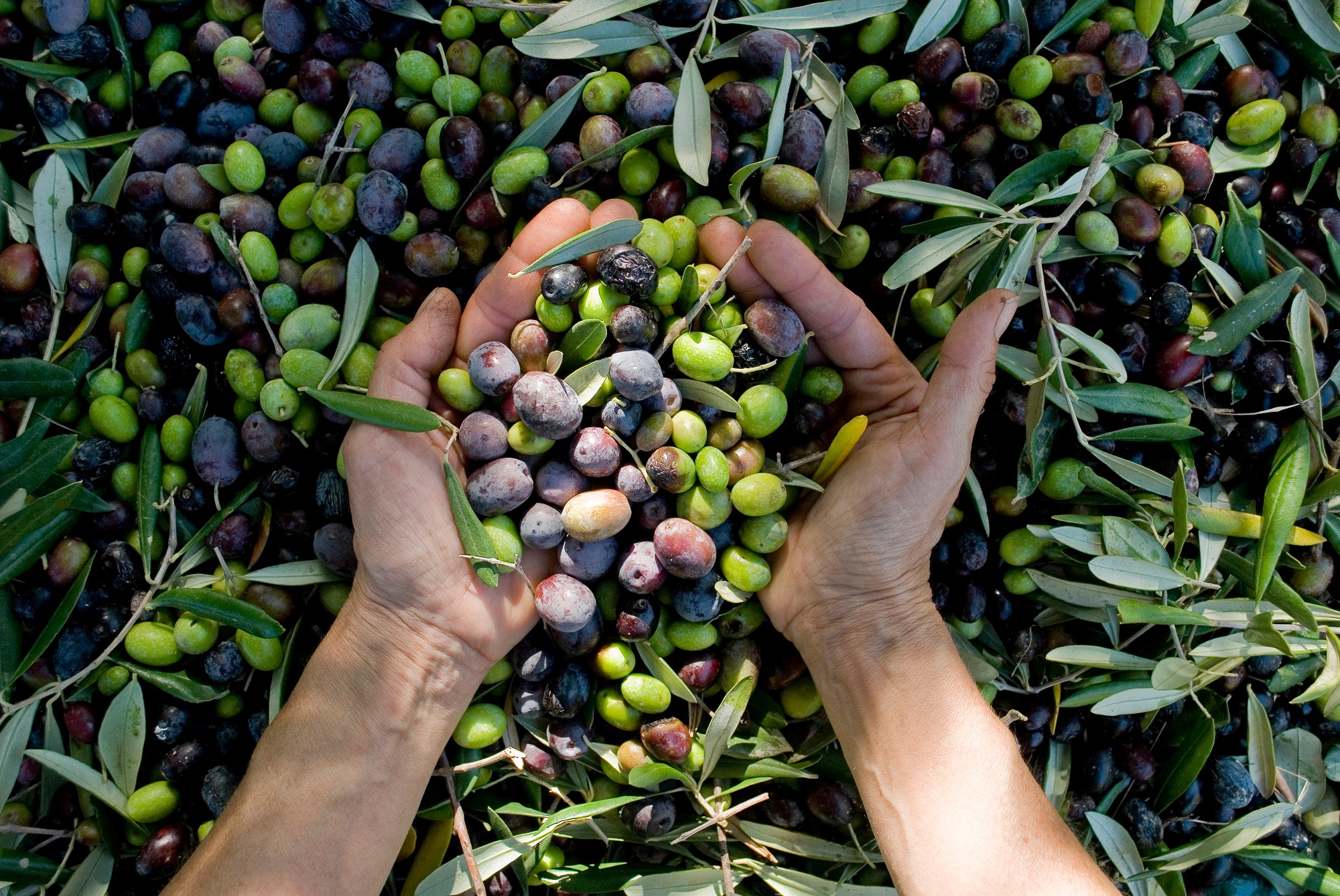
At Quarrata and Serravalle near Pistoia, you can experience and enjoy "Montalbano's Road of Oil and Wine", a food and wine itinerary passing through breathtaking landscapes, as you try out quality tastings and you bask in that very typical, Tuscan warm welcome. Lying between the provinces of Florence, Prato and Pistoia is the hilly area of Montalbano which is an excellent example of harmony found between nature and the anthropization…
Quarrata, Serravalle Pistoiese
Discover The Story of Roberto Catinari, the Tuscan Willy Wonka. A surprisingly sweet journey
Since 1974, Roberto Catinari's small artisan company has been making top quality chocolate at Agliana, and it has become famous all over Italy. The personal story of this mâitre chocolatier is really fascinating as is his production of sweets, craved and longed for by both enthusiasts and connoisseurs. He always loved chocolate, even as a child when he was deeply influenced by the Allied troops who, arriving in Italy at…
Agliana
Discover Even though lacking in iron - an essential raw material in the iron and steel industry - the Pistoia mountains were chosen thanks to their abundance of woodlands and water which were used for fuel and motor power.
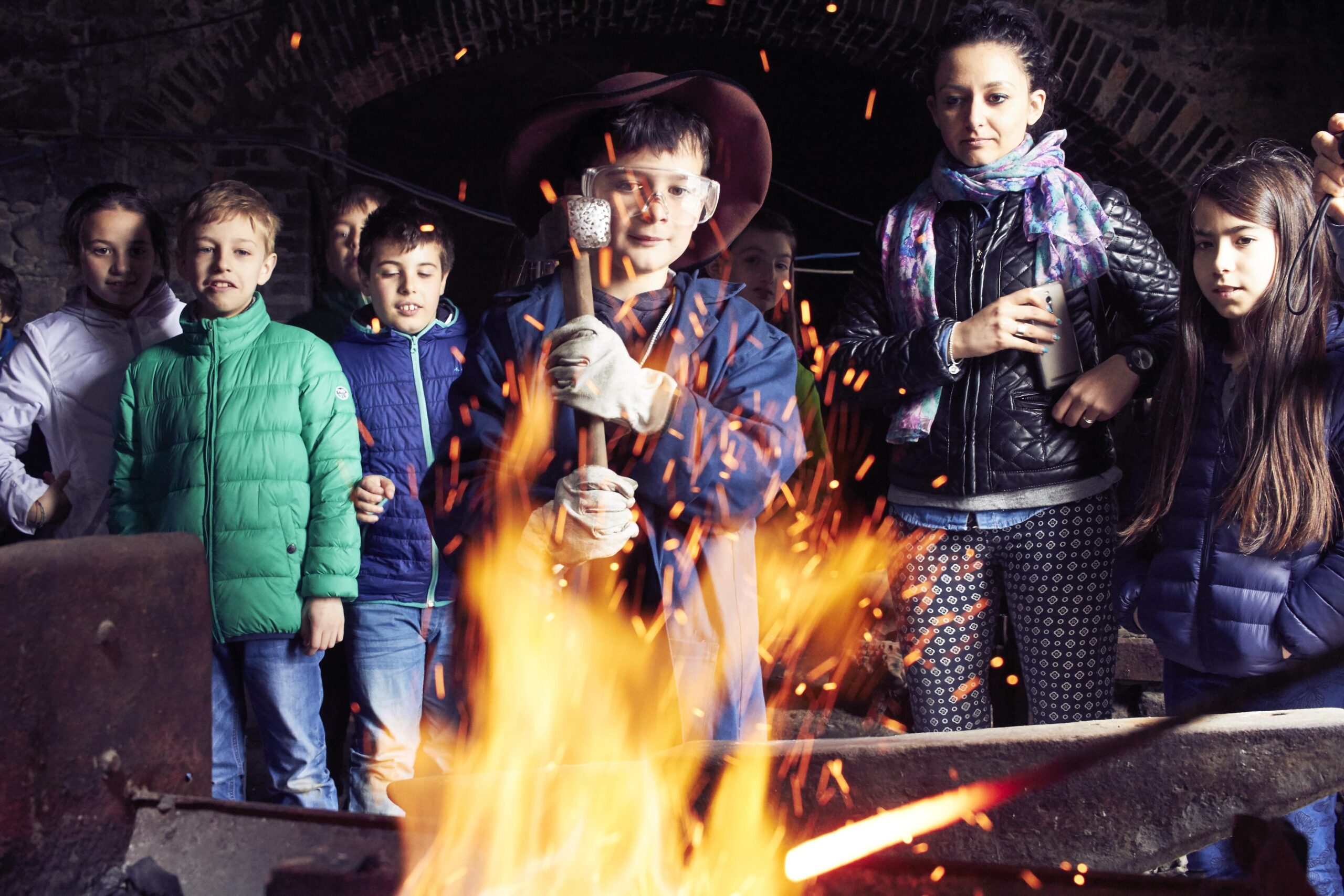
In very few areas of Tuscany can we find such a rich heritage of industrial history as the one here in the Pistoia mountains, which since the 14th century was the most important iron and steel centre in the former Grand Duchy of Tuscany. The numerous ironworks all over this area were supplied with raw material from the iron deposits found on the Isle of Elba, known and exploited since…
San Marcello Piteglio
Discover A fascinating journey through history and nature.
Inaugurated in 1864, the Porrettana Railway traverses the Tuscan-Emilian Apennines from Pistoia to Bologna via the spa town of Porretta Terme, after which the railway is named. Designed and built during the Risorgimento (the period leading to the unification of Italy) with an unprecedented engineering effort, for years it was the focal point of the railway network connecting the centre of Italy to the north and south of the Country, and a strategic link…
Pistoia, Sambuca Pistoiese, San Marcello Piteglio
Discover The magnificent Della Robbia enamelled terracotta works of art still represent artistic excellence whose beauty remains unchanged over time
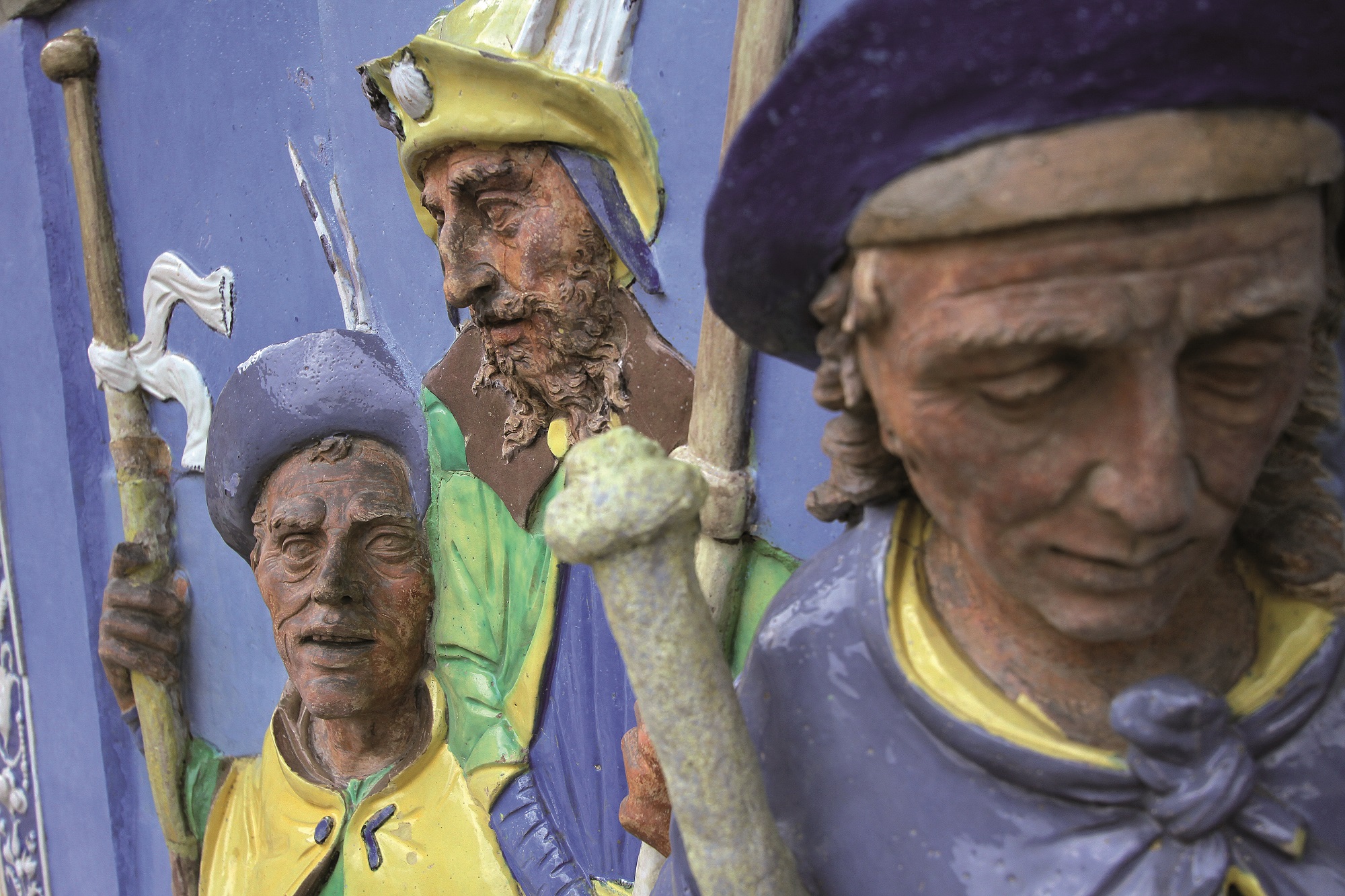
The splendid Della Robbia enamelled terracotta works of art represent, even today, artistic excellence whose beauty has not changed at all over the centuries. This ancient technique, invented in the Middle Ages, applies a special varnish to terracotta, rendering it both shiny and hard. Between the 15th and 16th centuries, the renowned Della Robbia family began to use this technique in sculpture, creating a flourishing activity in the Florence of…
Pistoia
Discover